

Glad You Asked #7 - What does “Due Diligence” actually mean?
"Due diligence" gets used three ways in the same meeting. Only one has a statutory definition, and it's the one that can put your name on a charge sheet. Here's what the legal duty actually requires of officers and directors, where it most commonly breaks down, and the uncomfortable test most leaders can't pass.
Glad You Asked 6 - Do WHS laws apply to the AI and software we use?
NSW just became the first state to write it into law that AI, algorithms and digital work systems are a WHS issue. But this duty has always existed. What's new is that regulators are saying it out loud. If a system decides how your people work, how hard they work, or how closely they're watched, the risk it creates is yours to manage.

When the Investigation Becomes the Hazard
A long time employee was placed under investigation, removed from her workplace, given no details of the allegations for three months, and moved to unrelated duties for the duration. Seven months in, she called SafeWork NSW. What followed was two improvement notices, two rounds of challenge, and two years of the Department of Education losing. The investigation process itself was the hazard — and the lesson applies to every employer running one.
Glad You Asked #5 - Would your team know what to do in the first hour of a crisis?
Early in his legal career, Risk Collective Director Martin Richardson sat through a crisis simulation so realistic it left him drained. Six months later, his phone beeped again at 4:30pm on a Friday. This time it wasn't a drill. Here's what he learned about crisis readiness — and why your team's first real test shouldn't be the real thing.
Glad You Asked #4 - Are you a Category 1 Employer in NSW? Don’t wait for a notice to find out.
There's always something more pressing. A big client, a difficult hire, a cash flow crunch. Compliance gets pushed to next month, next quarter, next financial year. The problem is that regulators don't work on your timeline. Here's what consistent compliance actually looks like, and why the businesses that get it right aren't spending more than everyone else.
Glad You Asked #3 - Why do businesses keep getting caught out on compliance?
There's always something more pressing. A big client, a difficult hire, a cash flow crunch. Compliance gets pushed to next month, next quarter, next financial year. The problem is that regulators don't work on your timeline. Here's what consistent compliance actually looks like, and why the businesses that get it right aren't spending more than everyone else.
Glad You Asked #2 - How do we actually identify and control psychosocial risks?
A safety regulator recently halted a university restructure — not because of a site incident, but because of the psychosocial risk the change process created for workers. Regulators are enforcing psychological health obligations in ways we haven't seen before. So how do you actually identify and control psychosocial risks? You start by asking the people who live with them every day.

From Strong Safety Foundations to Confident Board Assurance: A WHS Review Case Study
Strong safety systems don't automatically mean confident Board assurance. When a large, complex organisation wanted independent evidence that safety was genuinely embedded in how they operated, not just what was documented. Risk Collective delivered a targeted WHS review that confirmed real strengths and identified clear opportunities to strengthen governance. Here's how we did it.
Glad You Asked #1 - Why do businesses spending the most on compliance, still have the same problems?
Coles and Woolworths spent millions on compliance and still underpaid nearly 30,000 workers. The problem wasn't a lack of paperwork — it was that the paperwork wasn't built around how the business actually operated. Here's why spending on compliance inputs doesn't always buy you the outcome you think it does.

Risk Collective partners with People 2.0 to Deliver End-to-End Workforce Compliance for Australian Employees
Australian employers are juggling more compliance obligations than ever and most are managing them across too many advisors. Risk Collective has partnered with People2.0, a global workforce compliance and payroll provider operating in 130+ countries, to change that. Together, we're offering staffing firms and employers integrated support across global payroll, worker classification, WHS, injury management and employment relations. Less patchwork. More control.

On-Hire Firm Fined More than the Host Organisation
A Victorian court fined the on-hire provider more than the host business even though the host had direct control over the unsafe machine. Lesson: your WHS duties don't end when you place a worker on someone else's site. Read how to close the gap with a proper Host WHS Evaluation.

Strengthening Client WHS Evaluations: Insights from a Recent On-Hire Case
A recent court case highlights why having WHS systems in place is not enough. This article explores how labour hire businesses can strengthen client evaluations through better training, structured processes, and ongoing oversight to protect workers and support compliant operations.

A Better Way to Manage Your Training: Streamlined, High-Quality, Fully Managed
Training plays a major role in compliance, capability, and culture, but managing it often becomes complex and time-consuming.
Most organisations juggle multiple providers, inconsistent content, and shifting priorities. This article explores a smarter, fully managed approach to training that frees leaders to focus on what matters.

The True Value of Training. Starting the Conversation on Psychosocial Risks
Psychosocial risks are becoming one of the fastest-growing challenges under WHS law, and training alone won’t solve them. But it can spark the conversations and confidence needed for real cultural change.
In recent psychosocial risk workshops with leaders, we saw significant increases in understanding, confidence, and willingness to talk about hazards. Training didn’t just build knowledge—it revealed where internal processes, leadership capability, and practical tools still need attention.
Effective training is a starting point, not a finish line. It creates shared understanding and opens the door to meaningful action.

Australian Recruitment and Compliance: What 2025 Taught Us (And What's Carrying Into 2026)
Over the past six months, we’ve seen compliance move from a background risk to core business infrastructure for Australian recruitment agencies. This article examines what’s changed in the sector, why compliance is now central to how agencies operate, and what the shift means for growth and governance heading into 2026.

So... What are Businesses Really Doing About Psychosocial Risks?
Businesses are increasingly aware of psychosocial risks, but many still struggle to turn awareness into action. Our recent webinar polls revealed that most organisations are “doing something”, but inconsistently. The next step? Moving from intent to structure. Discover what businesses are really doing, where the gaps remain, and how consultation and consistent processes can turn psychosocial risk management into everyday practice.
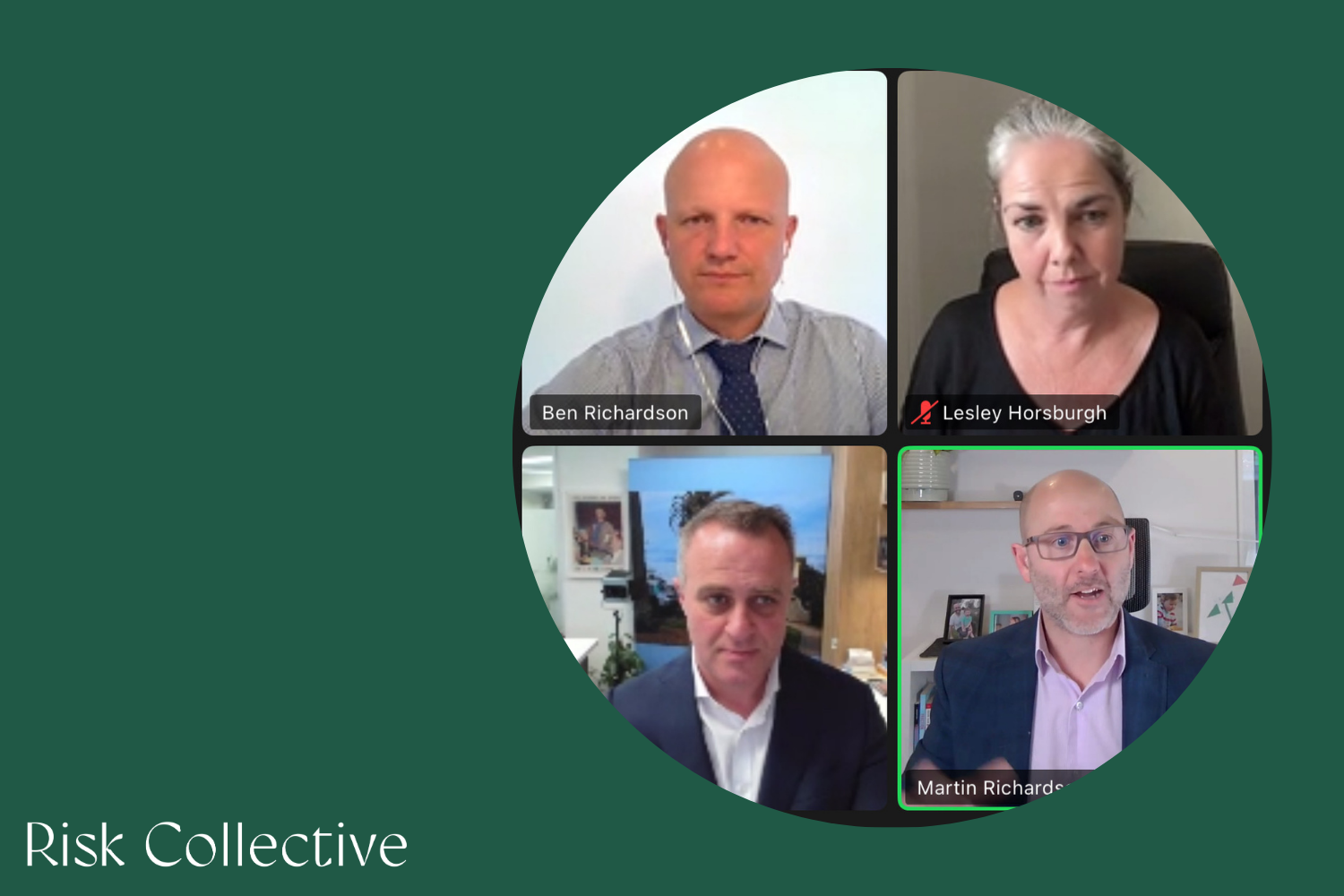
Facing the Future: Key Insights from APSCo’s Recruitment Industry Panel
Australia’s recruitment sector is juggling rising compliance demands, unclear labour hire licensing, and fast-moving AI regulation, all while supporting over a million jobseekers each year. At APSCo’s panel, Martin Richardson joined Tim Wilson to unpack what reform should look like: protect workers, enable viable businesses, and build on what already works. Here are the key insights and next steps.

Managing Psychosocial Risks in Recruitment: What we covered in our recent webinar
With new Psychological Health Regulations starting in Victoria on 1 December, psychosocial risk management is now essential for recruitment businesses. Here’s what we covered in our webinar with RCSA, from the legal changes and case law to practical steps you can take to protect your people and your business.

Something’s Changed…Now What?
If you’ve been thinking, “We probably need to do something about these new psychosocial risk rules,” you’re not alone. Enforcement is ramping up, here’s what’s changed, why it matters, and how to take confident action.
Case Study: $96,000 Recovered: How One Business Turned a Workers’ Comp Mistake into a Win
When a business overpaid workers’ comp, they thought they were doing the right thing, until the costs piled up. Our audit recovered $96,000 and helped them get back on track.